




“Cut nonessential spending before seeking PPPK aid,” said Home Minister Tito Karnavian
peoplemattersglobal.com - 14 Juli 2026
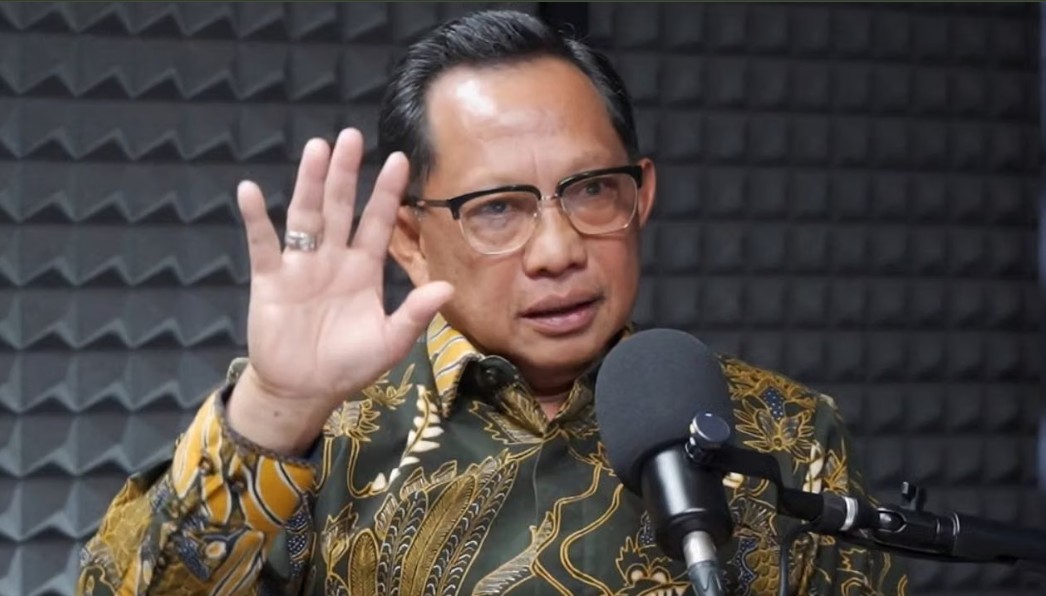
Despite mounting fiscal pressures, urging local governments to prioritise spending cuts before seeking financial support from the central government.
Home Minister Tito Karnavian said regional administrations must first review their budgets and eliminate nonessential expenditure, including travel, meetings and catering, before claiming they lack the capacity to pay PPPK salaries.
Budget review first
At the Senayan legislative complex in Central Jakarta on 9 July, Tito said the government would step in only after regions had exhausted available budget efficiencies.
“We will identify regions that truly have limited fiscal capacity. But first, we ask the regions to implement budget efficiency measures,” he said.
He added, “If they are, we will propose to the Finance Minister that those regions be prioritized for the DBH disbursement so they can pay PPPK salaries as soon as possible.
The proposed support would come through undisbursed revenue-sharing funds (DBH), subject to eligibility assessments.
Fiscal pressures grow
The directive follows a series of financial challenges faced by regional administrations across Indonesia.
Last week, the Tidore Islands administration in North Maluku announced plans to furlough thousands of PPPK employees due to budget constraints before reversing the decision following protests from affected workers.
In Aceh, around 3,000 PPPK employees have yet to receive their July salaries and annual 13th-month bonus after provincial funds were depleted.
Elsewhere, East Nusa Tenggara had earlier considered eliminating around 9,000 contract positions to reduce expenditure, while West Sulawesi has warned it could lay off more than 2,000 PPPK employees by 2027 unless its financial position improves.
Limited room left
The Regional Autonomy Watch (KPPOD), an independent think tank focused on regional governance and public policy, warned that many local governments have already exhausted most opportunities to cut spending.
KPPOD executive director Herman Suparman said years of budget tightening, coupled with reduced transfers from the central government, had left regional administrations struggling to maintain public services while meeting payroll obligations.
“I think regional administrations have been implementing [efficiency measures] for the past one and a half years, to the point that there is little left to cut,” Herman told The Jakarta Post.
He argued that the most practical short-term solution would be for the central government to increase transfers through a revision to the 2026 state budget.
Herman also urged regional governments to strengthen their own-source revenue over the longer term by improving tax and levy collection while diversifying income streams to reduce dependence on central funding.
Questioning the ministry's proposal to tie DBH disbursements to budget efficiency, he said, “While we support the government’s efforts to encourage efficiency among regional administrations, it should not make it a prerequisite for disbursing DBH,”
Herman also mentioned,. “It is regions’ right and there should be no debate about it.”
Austerity impact
The financial strain comes after sweeping austerity measures introduced by President Prabowo Subianto following his inauguration in October 2024 to finance key government programmes.
Regional transfers were reduced to Rp693 trillion in Indonesia's 2026 state budget, down around 20% from Rp869 trillion in 2025 and the lowest allocation in nearly a decade.
Funding for the DBH programme was also cut by almost 70%, prompting criticism from regional leaders, while several regions are still awaiting DBH payments dating back to 2023.
Finance Minister Purbawa Yudhi Sadewa has pledged that the outstanding payments will begin to be released in phases from this month.
Sumber: https://sea.peoplemattersglobal.com/news/economy-policy/cut-nonessential-spending-before-seeking-pppk-aid-said-home-minister-tito-karnavian-50798
Dibaca 34 kali